

Ultimate Hermes Oasis Sandals Buying Guide — what this guide delivers
This guide gives specific, practical steps to buy Hermes Oasis sandals with confidence: how to identify the model, inspect materials and condition, authenticate, size correctly, and choose the right marketplace. Read this when you want to avoid costly mistakes and get sandals that perform and retain value.
Hermes Oasis fits into Hermes’s slide/sandal lineup and is sought after for its clean silhouette and seasonal colorways. Buyers come here because they want product-level detail, not abstract advice: what stamps to look for, how leather should feel, where pricing typically fluctuates, and the exact checks to run before closing a purchase.
The tactical tone that follows assumes you want to make a buying decision today, so expect direct instructions, concrete inspection checkpoints, and marketplace trade-offs rather than brand storytelling.
Every section opens with a concise thesis you can steal for a featured snippet; the rest expands on inspection steps, trade-offs, and common pitfalls to avoid when buying Hermes Oasis sandals new or pre-owned.
Keep in mind: Hermes craftsmanship standards, box and dust bag details, and blind-stamp conventions apply across most Hermes sandals and are central to authentication.
What exactly makes Hermes Oasis sandals different?
Hermes Oasis is a slide-style sandal within Hermes’s footwear family that emphasizes a minimal silhouette combined with high-end materials and Hermes finishing. Its appeal is the balance of casual ease and luxury finishing that lets it read both relaxed and designer-level.
The Oasis typically shares Hermes-level detailing: crisp edges, precise stitching, high-quality leather or coated materials, and a discreet brand stamp inside the footbed. Color drops and limited seasonal hues are where premium and resale value concentrate.
Expect variations by season: leather finishes, edge paint colors, and sole profiles change across collections. These variations are what drive collectors toward specific pairs and make certain colorways scarce.
When comparing Oasis to other Hermes hermes sandals oasis pay attention to upper cut, closure style, and sole thickness—those subtle differences determine comfort and how the sandal ages. Materials determine care protocols and how aggressively you should wear them outdoors.
For stylistic context, Oasis works across warm-weather casuals and elevated resort looks, but its long-term value comes from materials, condition, and rarity of the colorway rather than silhouette alone.
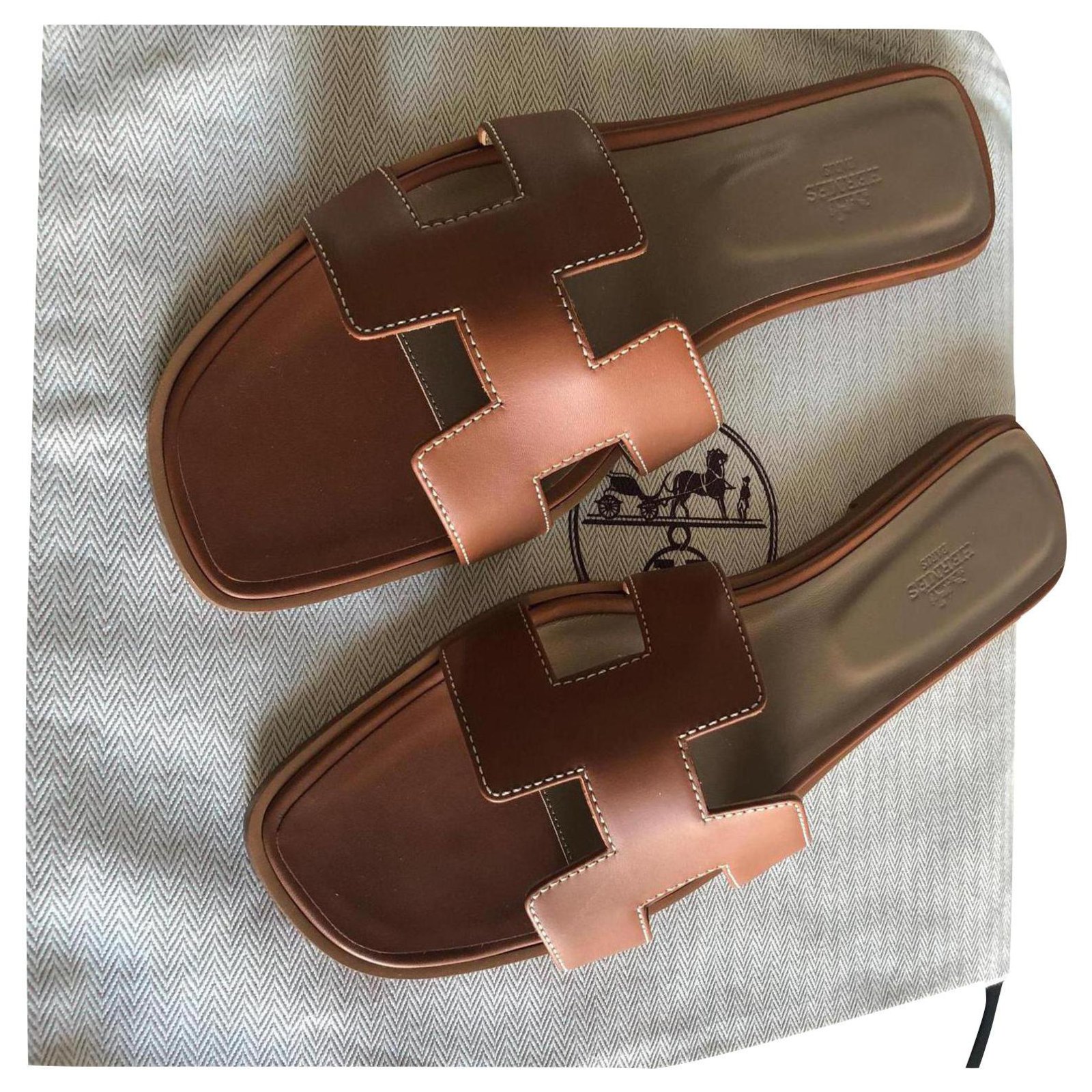
How do I authenticate and inspect a Hermes Oasis before buying?
Authentication is a step-by-step process: verify the inside stamp, check the blind/stamp code, inspect stitching and edges, confirm packaging, and, when in doubt, use a professional authentication service. Photographs should back every claim.
First, look for the inside stamp that reads \”Hermès Paris Made in France\” with correct accent marks and spacing; misaligned fonts or missing accents are red flags. Next, find the artisan blind stamp: Hermes places a small shape with a letter and sometimes a craftsman mark—this denotes the production year and workshop and should match known Hermes stamping shapes.
Examine stitching under strong light: stitches are even, tight, and follow the contour precisely. Edge paint is hand-painted and shows slight brush consistency but no sloppy overflow. The sole should be cleanly bonded with no visible glue lines or mismatched colors.
Packaging matters: an original orange box with the correct logo, a soft dust bag with matching drawstring and font, and original receipts increase confidence. If a seller refuses close-up photos of stamps, edges, and the insole, treat the listing with suspicion.
When you still doubt a listing, use an independent authentication service such as Entrupy or a reputable consignment house; these services inspect materials and stamps and provide a certificate for a fee.
Materials, sizing, care: what to check and how to preserve value
Materials determine fit and care: leather uppers require conditioning and careful wet-weather use; coated or rubber versions call for different cleaning and store differently. Select based on your lifestyle and expected wear frequency.
Sizing runs can vary by sandal model and by whether the footbed is contoured. Always check the size stamp (EU, UK, US) inside the sandal and compare with the seller’s stated fit notes. Measure foot-length against the insole measurement when possible. For borderline sizes, size up if you plan to add insoles or wear socks with cooler-weather looks.
Care differs by material: use a neutral leather cleaner and conditioner for smooth leathers, a nubuck brush and protector for suede, and mild soap with a soft cloth for coated or rubber surfaces. Avoid intense sunlight and heat that can dry and crack edges or fade colorways.
Resoling and repair are viable: Hermes offers repair services and many high-end cobblers can refresh edge-paint and resole dress sandals; keep receipts of any professional work, as documented repairs preserve resale value more than amateur fixes.
Inspect worn pairs for sole thinning, heel counters collapsing, and delamination between sole layers—these are the most expensive repairs and can knock the resale value significantly.
Where should I buy and how should I set price expectations?
Choose a channel based on priority: guaranteed authenticity and warranty (Hermes boutiques and hermes.com), curated pre-owned with authentication (top consignment platforms), or private sellers for potential bargains but higher risk. Each route has trade-offs in price, risk, and immediacy.
Retail availability is seasonal and color-dependent; Hermes boutiques and the official site are the safest for new pairs but may not carry past-season colorways. Resale platforms often list rare colors and used pairs at a premium, while private sales can undercut market prices but carry authentication risk.
| Channel | Pros | Cons | Authentication Risk |
|---|---|---|---|
| Hermes boutiques / official site | Brand guarantee, full condition, original packaging | Limited colors, full retail price, waiting lists for rare drops | Minimal |
| Top consignment platforms (The RealReal, Vestiaire) | Curated selection, authentication checks, returns | Resale premiums, fees applied | Low–moderate (platform-verified) |
| Private sellers / marketplaces | Potential bargains, access to rare finds | Higher fraud risk, limited recourse | High |
Price expectations hinge on color rarity, condition, and whether the pair is new with box. Limited seasonal colors and deadstock pairs command significant premiums, while well-worn common colors trade at discounts. A documented repair history with professional receipts helps value comparisons.
When negotiating, ask for dated photos with the seller holding a handwritten note, and request close-ups of the blind stamp, inside stamp, edge paint, and sole. If a deal looks too good relative to other listings for the same color and size, treat it skeptically.
Expert Tip
\”Never buy a pair based only on one promotional photo; insist on high-resolution shots of the blind stamp, inside ‘Hermès’ stamp, and the edges under bright light—counterfeiters often fake the logo but rarely replicate the exact blind-stamp placement and edge finishing,\” says a footwear authentication specialist.
Little-known but verified facts
Hermes uses a blind-stamp system: a tiny shape and letter inside many leather goods indicate the craftsman and production year. Hermes orange boxes became standardized around mid-20th century when material shortages forced a single color box. Edge paint on Hermes shoes is hand-applied and can show subtle brush characteristics—perfectly uniform machine paint is suspicious. Hermes provides repair services for leather footwear, and documented factory repairs maintain higher resale value than informal cobbler fixes.